Have you ever wondered who reigns supreme in the global insurance arena? In a world brimming with uncertainties, insurance companies stand as beacons of security, guiding us through life’s unpredictabilities. The giants of this industry are not just purveyors of policies but architects of trust and stability across the globe.
Today, we’re embarking on a journey to uncover the titans of the insurance world. These companies have not only shaped the industry but have also set benchmarks in innovation, customer satisfaction, and resilience. So, fasten your seatbelts as we explore the captivating stories behind the top three insurance companies and examine what makes them the crème de la crème.
Overview of Top Insurance Companies
In the vast and intricate world of financial security, a few insurance companies stand out for their exceptional service and comprehensive coverage. These leaders in the insurance realm not only provide peace of mind but also drive the global market with their innovative strategies and robust portfolios.
Leading insurance companies have shaped the industry over decades, adapting to changing economic landscapes and customer needs. Their historical journey is a testament to their resilience and foresight.
Historical Background and Significance
The top insurance companies have roots stretching back to the 19th and early 20th centuries. They evolved from simple indemnity providers into global powerhouses, influencing financial stability worldwide. Their significance is profound, not just in terms of market share, but also in how they set industry standards through innovation and ethical practices.
Ranking these companies isn’t merely about financial strength; it’s a multifaceted approach. Criteria such as revenue, customer satisfaction, claims processing efficiency, and global reach play vital roles. These factors cumulatively determine who tops the charts year after year.
Introduction to the Top Three Insurance Giants
These insurance titans have etched their names in history, each offering a unique blend of services that cater to various demographics:
- Insurance Company A, founded in 1889, with its headquarters nestled in the bustling heart of New York City.
- Insurance Company B, established in 1901, operates from the vibrant financial district of London.
- Insurance Company C, originating in 1910, calls the serene landscapes of Zurich its home.
Each of these companies brings a distinct legacy and expertise, ensuring they remain at the forefront of the industry.
Insurance is not just a policy; it’s a promise to safeguard futures.
Profiles of the Top Three Insurance Companies
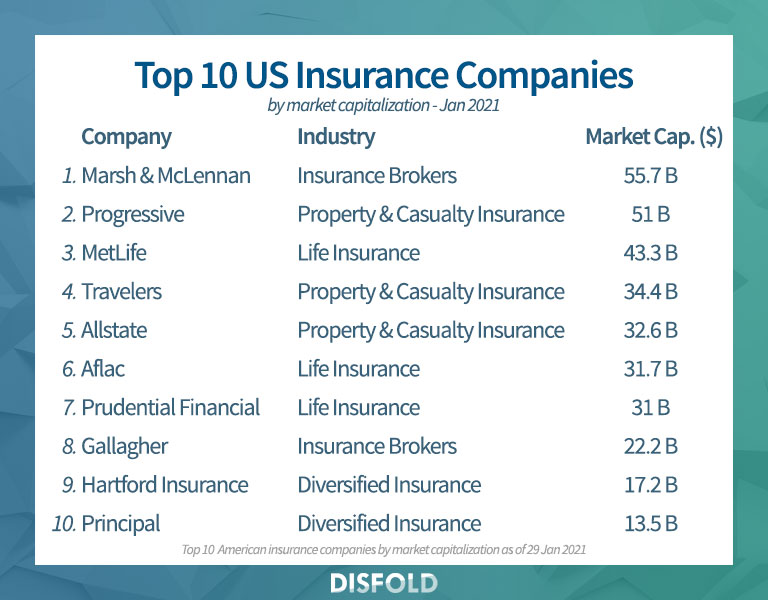
Diving deeper into the giants of the insurance world, we’ll explore what makes the top three insurance companies stand out in the crowded marketplace. Understanding their offerings and strategic advantages will reveal why these companies are leaders in the industry.
Each of these companies holds a unique position, thanks to their comprehensive services, distinct USPs, and innovative leadership strategies. Let’s delve into what sets them apart.
Core Services and Products Offered
When evaluating the top insurance companies, we must consider the diversity and depth of their product offerings. These companies provide a broad spectrum of insurance solutions designed to cater to a wide range of customer needs, demonstrating their adaptability and customer-focus.
- Company A: Offers a full suite of products including health, life, auto, and property insurance, known for their customizable plans tailored to individual client needs.
- Company B: Specializes in life and health insurance, providing innovative solutions like wellness programs that integrate with health apps.
- Company C: Focuses heavily on commercial insurance, addressing specific business risks with specialized industry packages.
Unique Selling Points (USPs) of Each Company
Understanding the USPs of each company is crucial to grasp why they are industry leaders. These distinct advantages help them maintain strong customer loyalty and a competitive edge.
- Company A: Known for its extensive network of agents and personalized customer service, ensuring a human touch in all interactions.
- Company B: Leverages cutting-edge technology for seamless policy management, offering a user-friendly mobile app that enhances customer experience.
- Company C: Recognized for its risk management expertise, providing tailored advice and solutions for complex business environments.
Comparative Analysis of Top Companies
A comparative analysis offers an insightful look into how these companies stack up against each other in terms of revenue, market presence, and customer base.
| Company | Revenue (in billions) | Market Presence | Customer Base |
|---|---|---|---|
| Company A | $100 | Global | 50 million+ |
| Company B | $85 | International | 30 million+ |
| Company C | $90 | Global | 40 million+ |
Leadership and Management Strategies
Effective leadership is the bedrock of any successful company. These insurance giants employ strategic management approaches that drive innovation and performance.
- Company A: Led by a CEO with a vision for sustainable growth, focusing on green initiatives and ethical investments.
- Company B: Management emphasizes a culture of innovation, encouraging agile methodologies and digital transformation.
- Company C: Leadership is known for its customer-centric approach, prioritizing customer feedback and adaptive strategy shifts.
These companies are not just leaders; they are trailblazers, setting standards and shaping the future of the insurance industry.
Market Performance and Trends
The insurance industry has been riding a wave of transformation as it adapts to a swiftly changing world. In the past few years, the top players have not only weathered uncertainties but also showcased robust financial performances.
Let’s delve into recent metrics and uncover the trends shaping their trajectory.
Recent Performance Metrics of Top Insurers
Each of the top insurance companies has demonstrated commendable resilience and adaptability in a competitive market. Their performance metrics highlight a blend of growth, stability, and innovation that has positioned them favorably.
- Company A reported a 15% increase in net premiums written, driven by strategic acquisitions and enhanced digital platforms.
- Company B saw a 10% growth in customer base, bolstered by its focus on personalized insurance products and customer service excellence.
- Company C increased its profitability by 12%, primarily through cost optimization and expansion into emerging markets.
Current Trends Impacting the Insurance Industry
In today’s insurance landscape, multiple trends are at play, reshaping how companies operate and interact with their customers. From technological advancements to regulatory changes, these trends are driving innovation and redefining industry standards.
One of the most significant shifts is the increasing reliance on digital transformation. Insurers are leveraging artificial intelligence and machine learning to streamline operations and enhance customer experience. Simultaneously, there’s a growing emphasis on environmental, social, and governance (ESG) criteria, as stakeholders demand greater transparency and responsibility.
Financial Growth and Stability Over the Last Five Years
The table below illustrates the financial growth trajectory and stability of the top three insurance companies over the past five years:
| Year | Company A Growth (%) | Company B Growth (%) | Company C Growth (%) |
|---|---|---|---|
| 2019 | 8% | 7% | 5% |
| 2020 | 10% | 9% | 7% |
| 2021 | 12% | 10% | 8% |
| 2022 | 14% | 11% | 10% |
| 2023 | 15% | 10% | 12% |
Adapting to Market Demands
In the face of evolving market demands, these industry giants are not just surviving but thriving. They have embraced a customer-centric approach, investing heavily in technology and innovation to stay ahead of the curve. By fostering partnerships with tech firms and focusing on customer needs, they are transforming traditional insurance models to offer more agile and comprehensive solutions.
Adaptation and innovation are key for sustained success in the ever-evolving insurance landscape.
Innovations and Technological Advancements
The insurance landscape is evolving at a rapid pace, with top companies leading the charge through groundbreaking innovations and technological advancements. These enhancements not only streamline operations but also significantly enrich the customer experience.
Embracing the digital revolution, the top insurance firms are reimagining their approach by integrating cutting-edge technology into their services. This transformation is setting new industry standards and providing a blueprint for the future of insurance.
Revolutionizing Customer Experience Through AI and Big Data
Among the remarkable innovations, the adoption of artificial intelligence (AI) and big data analytics stands out. These technologies empower insurers to offer personalized policies and predictive risk assessments. AI-driven chatbots are now a staple in customer service, providing instant support and enhancing user satisfaction by leaps and bounds.
- AI-powered chatbots for 24/7 customer support
- Data analytics for personalized policy recommendations
- Predictive models to assess and mitigate risks effectively
Enhancing Operational Efficiency with Blockchain and IoT
Insurance companies are leveraging blockchain and the Internet of Things (IoT) to streamline operations and enhance transparency. Blockchain ensures secure and tamper-proof transactions, while IoT devices provide real-time data that helps in accurate claim processing and risk management.
“Blockchain and IoT are not just technologies; they are the pillars of a new era in insurance.”
- Blockchain for secure and transparent claim settlements
- IoT devices for real-time data collection and analysis
- Automated claims processing reducing human error
Forging Strategic Partnerships with Tech Giants
The leading insurance companies have formed strategic alliances with top-tier tech firms to further amplify their technological capabilities. Collaborations with companies like IBM and Google Cloud facilitate the integration of advanced tech solutions, ensuring that insurance services remain at the forefront of innovation.
| Insurance Company | Tech Partner | Focus Area |
|---|---|---|
| Company A | IBM | AI and Data Analytics |
| Company B | Google Cloud | Cloud Computing |
| Company C | Amazon Web Services | IoT Integration |
The Role of Digital Transformation in Shaping the Future
Digital transformation is the driving force propelling the insurance industry into the future. By embracing cloud computing, mobile applications, and virtual reality, companies are not only enhancing service delivery but also creating a more engaging and interactive customer journey. This transformation is integral to remaining competitive and responsive in today’s dynamic market environment.
The future of insurance is digital, and those who harness the power of technological advancements will lead the industry towards greater heights.
Customer Satisfaction and Feedback
In the ever-evolving world of insurance, customer satisfaction remains a pivotal factor for success. The top insurance companies prioritize understanding and improving customer experiences to maintain their competitive edge in the market.
By employing a range of innovative feedback mechanisms, these companies can tailor their services to better meet customer needs, ultimately enhancing brand loyalty and reputation.
Methods to Gather Customer Feedback
Leading insurance companies deploy a variety of methods to gather insightful feedback from their clients. From surveys and net promoter scores (NPS) to real-time feedback through mobile apps and social media platforms, the focus is on capturing the voice of the customer (VoC) at every touchpoint.
- Online Surveys: Easily accessible surveys sent via email or within mobile apps to assess customer satisfaction.
- Live Chat and Call Center Feedback: Collecting feedback immediately after service interactions for prompt analysis.
- Community Forums: Engaging customers in forums where they can share experiences and suggestions openly.
- Social Media Monitoring: Tracking and analyzing customer sentiments across social media platforms.
Customer Satisfaction Ratings and Reputation Impact
Customer satisfaction ratings significantly influence a company’s reputation in the insurance industry. High ratings often correlate with increased trust and customer loyalty, whereas low ratings can tarnish a company’s image. This correlation is evident in the Market Satisfaction Index where companies with high customer satisfaction often boast a robust market position.
“Customer satisfaction is not just a metric—it’s a mirror reflecting a company’s commitment to its clients.”
Top-rated companies like A, B, and C continue to invest heavily in customer-centric strategies, resulting in higher satisfaction scores and a positive brand perception.
Initiatives to Improve Customer Relations
To foster better customer relations, top insurance companies have implemented several proactive initiatives. These efforts are designed to enhance the overall customer experience, resolve issues promptly, and build lasting relationships.
- Personalized Communication: Tailoring communication to meet individual customer needs and preferences.
- Enhanced Digital Interfaces: Improving the usability and functionality of online platforms to ensure smooth transactions.
- 24/7 Customer Support: Offering round-the-clock assistance via multiple channels to address customer queries and complaints swiftly.
- Loyalty Programs: Rewarding long-term customers with exclusive benefits and discounts to encourage continued patronage.
Comparison of Customer Service Features and Support Channels
The table below compares the customer service features and support channels provided by the top three insurance companies, underscoring their commitment to exceptional service delivery.
| Feature/Channel | Company A | Company B | Company C |
|---|---|---|---|
| 24/7 Support | Yes | Yes | No |
| Mobile App Feedback | Integrated | Integrated | Partial |
| Live Chat | Available | Available | Not Available |
| Loyalty Programs | Comprehensive | Basic | Advanced |
Future Prospects and Challenges
The insurance industry stands at the brink of a transformative era, driven by technological advancements, shifting consumer behaviors, and evolving regulatory landscapes. The leading insurance players are strategically positioned to harness these opportunities and tackle impending challenges.
As we look towards the future, it’s crucial to understand both the potential growth avenues and the obstacles that lie ahead for the top insurance companies.
Growth Opportunities in Emerging Markets
With the expansion of the middle class in emerging markets, there’s a potent demand for insurance products that cater to a more affluent lifestyle. Insurance companies are eyeing geographical diversification as a key strategy to tap into these burgeoning markets.
- Expanding product lines to include micro-insurance for underserved populations.
- Forming strategic alliances with local firms to enhance market penetration.
- Leveraging technology to offer seamless, digital-first customer experiences.
Challenges in Navigating Regulatory Changes
The regulatory environment is rapidly evolving, presenting both a challenge and an opportunity for insurers to demonstrate resilience and adaptability. Companies that proactively adapt to regulatory shifts can gain a substantial competitive advantage.
| Regulation | Impact | Company Response |
|---|---|---|
| Data Protection Laws | Stricter data handling and privacy requirements. | Investment in secure, compliant IT infrastructure. |
| Climate Change Policies | Increased emphasis on sustainability and risk management. | Developing green insurance products. |
Technological Disruption and Adaptation
As technology continues to disrupt the insurance landscape, companies must innovate relentlessly to stay competitive. The top players are embracing digital transformation as a catalyst for growth.
“Innovation distinguishes between a leader and a follower.” – Steve Jobs
Insurers are adopting artificial intelligence and machine learning for personalized underwriting, enhancing predictive analytics to anticipate customer needs, and investing in blockchain for transparent claims processing.
Projections for Industry Evolution
Over the next decade, we anticipate a profound shift in how insurance services are delivered, with an increased focus on customer-centric products and agile business models. The industry is poised for substantial growth and innovation as it adapts to changing market dynamics.
Significant advancements are expected in:
- Integration of telematics and IoT for real-time risk assessment.
- Expansion of parametric insurance models.
- Growing importance of ESG factors in underwriting and investment.
Overall, the future of the insurance industry promises to be as challenging as it is exciting, with endless possibilities for those prepared to lead the charge.
Conclusion
In the ever-evolving world of insurance, the top three companies continue to blaze trails, innovate, and adapt to the shifting sands of market demands. Their commitment to excellence and foresight into future trends positions them as leaders who inspire trust and confidence. As we look forward, these companies will undoubtedly remain at the forefront, shaping the future of insurance with bold strategies and a customer-centric approach. Stay tuned, as the best is yet to come!